The Rhizome Center for Migrants
    August 4, 2022  |  By RCM Admin En News, Press Release

    U.S. Citizens in Mexico: Displaced Without Protection

    Deported Americans
    • Facebook
    • Twitter
    • Email
    • More

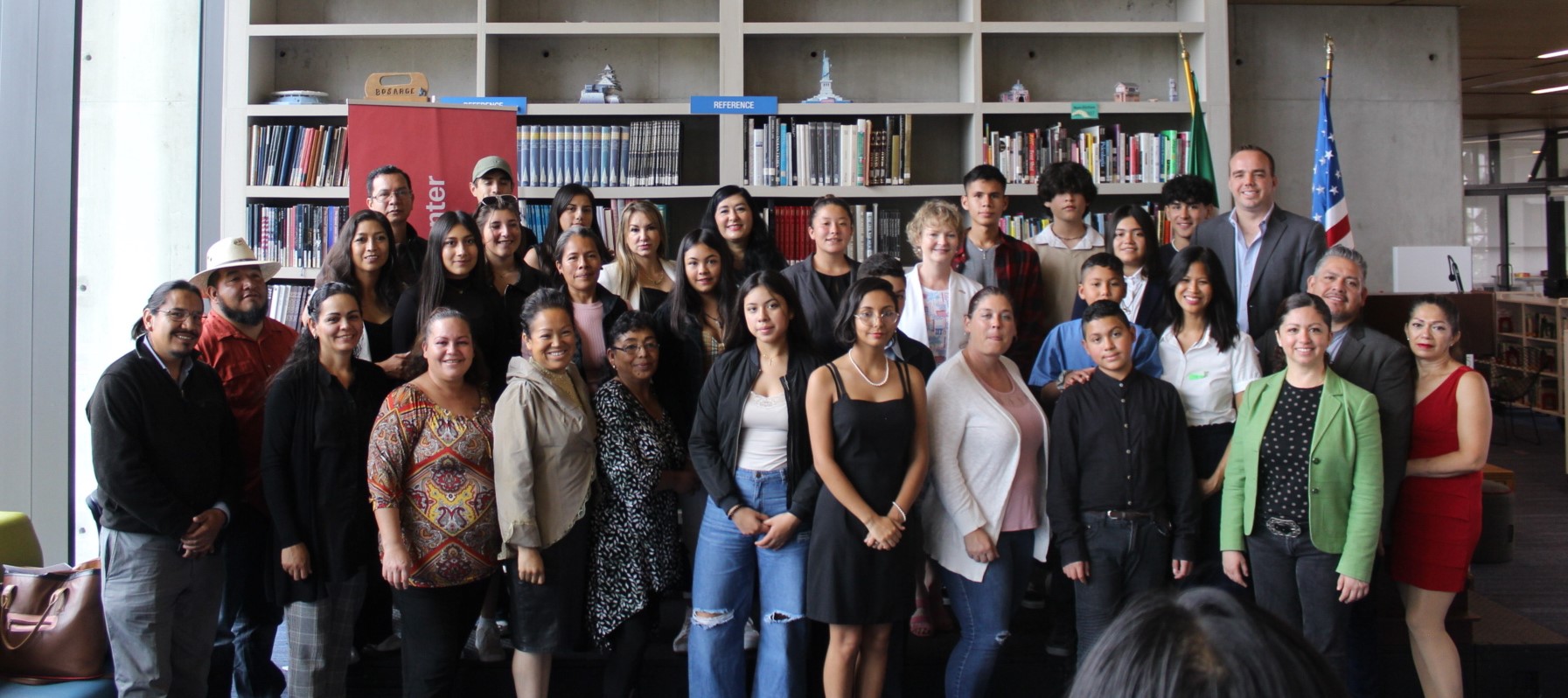
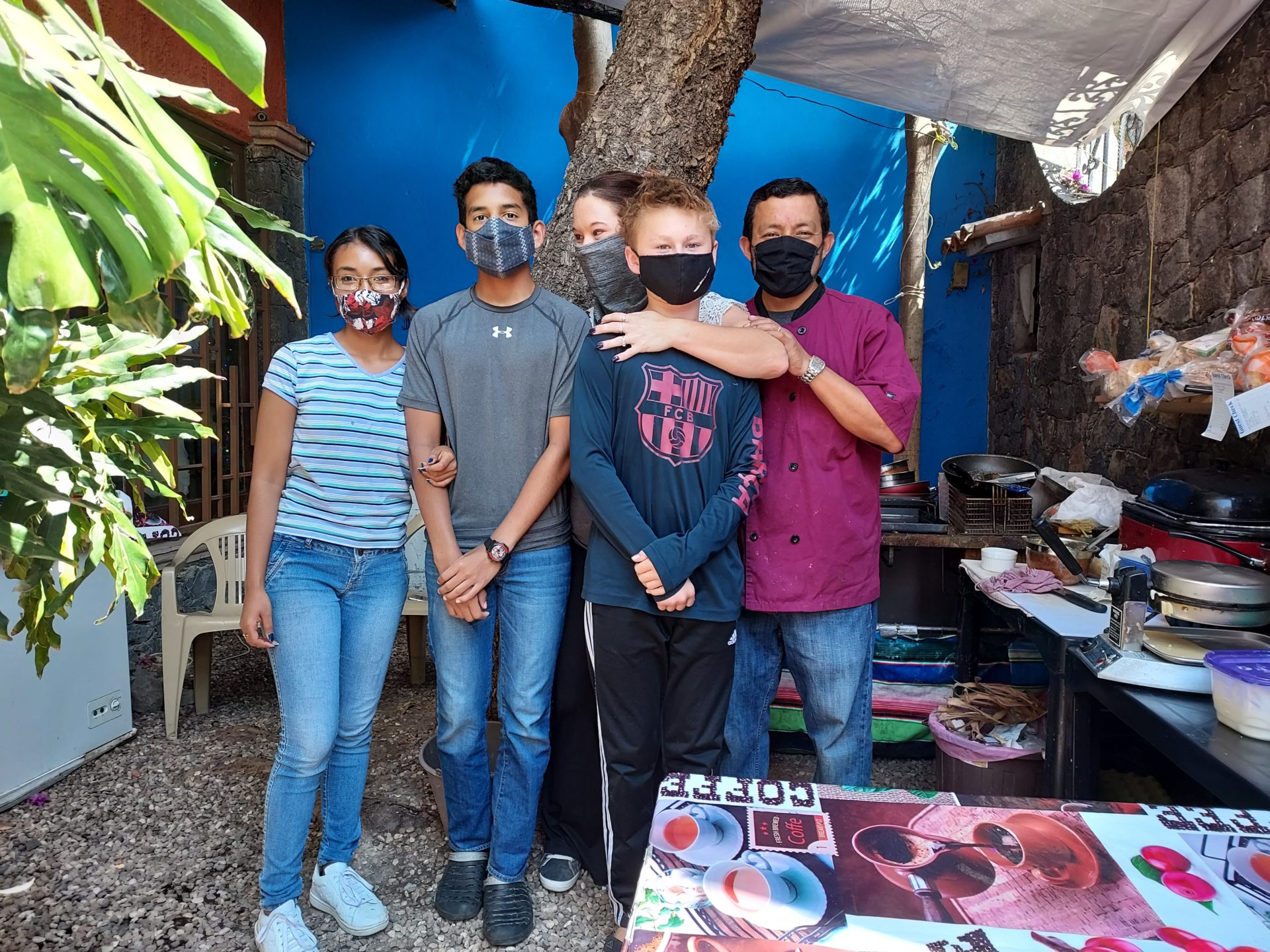
    [Guadalajara, Jal. August 4, 2022] More than 4 million Mexican migrants have been deported from the United States since 2008. During the same period, a significant number of Mexican migrants returned, forcibly or voluntarily, to Mexico as a result of family obligations, unfavorable economic and labor market conditions in the United States, and stricter enforcement of U.S. immigration policy and laws. The exodus of Mexican migrants from the United States has entailed an equally significant departure of U.S. citizen spouses and children to Mexico. This has contributed to an extraordinary growth of the U.S.-citizen population in Mexico, with Mexico now outpacing Canada and the European Union as the home of the largest U.S. population outside of the United States. While no official count exists of the number of U.S. citizens leaving the United States due to deportation or return migration, the U.S. State Department estimates that 1.6 million Americans now live in Mexico. Based on Mexican school records, more than 550,000 of these are the U.S.-born children of Mexican migrants. Though the State Department recognizes the vulnerability of young U.S. citizens in Mexico, there have not yet been significant or consistent efforts to identify affected U.S. citizens, through either official counting or citizen services outreach. Such efforts can no longer be delayed since, based on interviews with displaced U.S. citizens in Mexico, a vast majority of them intend to return to the United States one day.

    The need for a census and assessment of needs is key, given that citizens who emigrate with their Mexican family members often experience persistent disadvantages in Mexico, including the inability to access U.S. or Mexican documentation, limited or no access to health services and preventative health care, job disintegration, restricted mobility, and reduced educational attainment. Moreover, the loss of language, identity, culture, and community further contribute to future social vulnerability if these individuals later decide to reenter U.S. society. Given the serious and simultaneous barriers and vulnerabilities U.S. citizens face in Mexico, this report maintains that, without improved consular services and a diaspora policy that anticipates the likely return of these Americans, the United States risks re-inheriting a U.S. population now the size of Delaware, which may well require critical government services to reintegrate after a prolonged period abroad.

    To access our full report commissioned by the Baker Institute of Public Policy at Rice University’s Center for the United States and Mexico, visit:
    http://www.bakerinstitute.org/research/us-citizens-in-mexico-displaced-without-protection.

    About the Baker Institute
    The Baker Institute Center for the United States and Mexico seeks to have a meaningful impact on the U.S.-Mexico relationship through original research, relevant solutions to binational policy issues, and the advancement of mutual understanding by convening leaders who can bridge the world of ideas and the world of action
    co-deportation de facto deported deportation family unity immigration mexico migration repatriation returned migrants U.S. citizens U.S.-Mexico border
    Previous StoryThe Rhizome Center Announces New Board Member
    Next StoryOur Legal Intern Shares His Candid Thoughts on the Future of DACA

    Related Articles

    • Annie
      How What I Learned Across the Border Will Impact My Future Career as an Immigration Attorney
    • USC Event
      Co-Deported U.S. Citizen Minors in Mexico are Greeted by Staff of the American Services Unit and Received Important Information on Higher Learning Opportunities

    News & Press Releases

    • Bookmakers met meest WK 2026 duidelijkheid Thursday, 22, Jan
    • Play Online Pokies That Win Sunday, 24, Dec
    • What Are The Top 10 Online Slots In Belgium Sunday, 24, Dec
    • River Belle Casino Australia Sunday, 24, Dec
    • What Is The Highest Payout Online Casino Pokies In Australia Sunday, 24, Dec

    Updates


    The Rhizome Center for Migrants

    The Rhizome Center for Migrants

    Mexico has now received over 18,000 non-Mexicans deported from the United States, including disabled persons, older persons, and those with severe or chronic health conditions.Deported Cubans, Haitians, Nicaraguans, and Venezuelans transferred to Mexico now find themselves in Southern Mexico, undocumented and far from their families, homes, and communities. For many, asylum is the only durable option for regularizing status.Anyone who finds themselves—or who has a deported family member stranded in Mexico—should have the names of institutions and organizations providing legal orientation and aid on the asylum process in Mexico. Here are seven free immigration law resources in Villahermosa, Cancun, and Tapachula, where the majority transferred to Mexico currently reside.

    … See MoreSee Less


    Photo

    View on Facebook

    ·
    Share


    Share on Facebook


    Share on Twitter


    Share on Linked In


    Share by Email


    The Rhizome Center for Migrants
    is in Guadalajara Jalisco.
    The Rhizome Center for Migrants

    Yesterday's SCOTUS decisions mean that people seeking protection at U.S. borders will be turned away, while 1.3+ million people with temporary or other protected status could lose those protections—placing them at risk of deportation.Across the Ameri#Deportationation has become a major driver of displacement, uprooting people from communities where they have lived for decades, built families, and put down deep roots. If the administration carries out its stated goal of 1 million deportations a year, the resulting displacement would rival some of the largest displacement crises in the Americas in recent decades.‼️ While Mexicans have long been the largest nationality deported from the United Sta#mexicoexico as a country has been complacent to U.S. pressures to become the primary deportation destination for 3rd country nationals. Today some 17,000+ Cubans, Haitians, Nicaraguans, and Venezuelans have been sent to Mexico and remain stranded in the South of Mexico with limited legal protections and few resources. As needs grow, migrant-serving organizations across Mexico struggle to address the current crisis amid severe funding cuts. ✊Please consider supporting The Rhizome Center for Migrants' work via Zelle to connect@rhizomecenter.org (we get 100%) or via givebutter.com/rhizomecenter. Your donation helps ensure that justice does not end at the border, and people arriving in Mexico today do not have to face deportation alone.

    … See MoreSee Less


    Photo

    View on Facebook

    ·
    Share


    Share on Facebook


    Share on Twitter


    Share on Linked In


    Share by Email


    The Rhizome Center for Migrants

    The Rhizome Center for Migrants

    What is the #SoyMéxico program, and why isn’t it year-round in #Jalisco?The Soy México program allows children born in the U.S. to Mexican parents to locally register their birth and receive a CURP by simplifying bureaucratic barriers and, in some cases, reducing reliance on apostilles in practice. These documents enable access to school, healthcare, and other basic rights in Mexico by providing proof of identity and recognition of Mexican nationality. In Jalisco, the program will open this year from Aug-Oct. At The Rhizome Center for Migrants, we see how these barriers have relegated children to the margins of society. The most vulnerable children have not been able to obtain any ID for years, and were never able to integrate into the Mexican public school system. 👉 Our report on U.S. Citizens in Mexico: Displaced Without Protection –> tinyurl.com/mry4ayvj‼️We urgently call on the State of Jalisco to fully implement the 2024 federal reform eliminating apostille requirements for these registrations, or adopt a year-round, accessible model like states such as Morelos—so that every child can be recognized in Mexico.If you need help obtaining U.S. birth records, the apostille, or require a correction to vital documents, 📞 us on WhatsApp at: +52 33 2182 0836.

    … See MoreSee Less


    Photo

    View on Facebook

    ·
    Share


    Share on Facebook


    Share on Twitter


    Share on Linked In


    Share by Email

    About

    The Rhizome Center for Migrants is an independent, secular 501(c)(3) nonprofit organization. Our Mexico Project, based in Guadalajara, Jalisco, supports deported and returned migrants through legal aid and reintegration services.


    ABOUT US

    The Rhizome Center for Migrants is an independent, secular 501(c)(3) nonprofit organization. Our Mexico Project, based in Guadalajara, Jalisco, supports deported and returned migrants through legal aid and reintegration services.

    FIND US ELSEWHERE

    en_USEnglish
    es_MXEspañol de México en_USEnglish
    Share via
    Facebook
    X (Twitter)
    LinkedIn
    Mix
    Email
    Print
    Copy Link
    Powered by Social Snap
    Copy link
    CopyCopied
    Powered by Social Snap